Our approach
Free education, healthcare, and a path out of poverty — built at the community level, for every child we serve.
TLUCF's founders own and operate a software development company in Lahore, Pakistan, where they've done business for the past 12 years. On a visit to their office in April 2025, they happened to meet someone affiliated with the Christian Community School in Shorkot, and after hearing about the work being done for underserved communities there — and the struggles those communities face — they chose to get involved. It was a chance to give back in a meaningful way to the country that had supported their business for over a decade. It has been an incredible journey since, and they've been blessed to watch people's lives improve in remarkable ways.
The documentary below offers a firsthand look at how debt bondage actually plays out at Pakistan's brick kilns — the families caught in it, and what it takes to get free.
This video was produced and published by its original creators on YouTube; TLUCF had no role in making it and claims no ownership over its content. It's shared here for educational context only. You can watch it directly on YouTube, where the original channel and full credits are listed, at youtube.com/watch?v=Wj_fh3c9MHE.
Yes — this refers to modern-day debt bondage, most commonly at brick kilns, where families are trapped working off debts that are structured to never be paid off, often across generations. TLUCF works to break that cycle for fathers, mothers, and children together as family units.
TLUCF works directly with Pastor Shahid and his daughter Mahnoor, who runs the Christian Community School in Shorkot. The school is offered free of cost, but enrollment is reserved for two groups: (1) students and parents who are currently working under slavery/debt bondage or who have been released through TLUCF's efforts, and (2) Christian families living at one of the brick kiln sites. This dual focus matters because Pakistan is a Muslim-majority country, with Christians making up only about 3% of the population — meaning Christian families at these sites are often especially isolated and under-resourced, which is part of why TLUCF prioritizes them.
Every family goes through a careful and prayerful selection process. This includes a personal interview, an evaluation of the family's circumstances, recommendations from local church leadership, and a home visit when appropriate. The team also assesses the family's work ethic, skills, and willingness to improve their employment status before granting final approval.
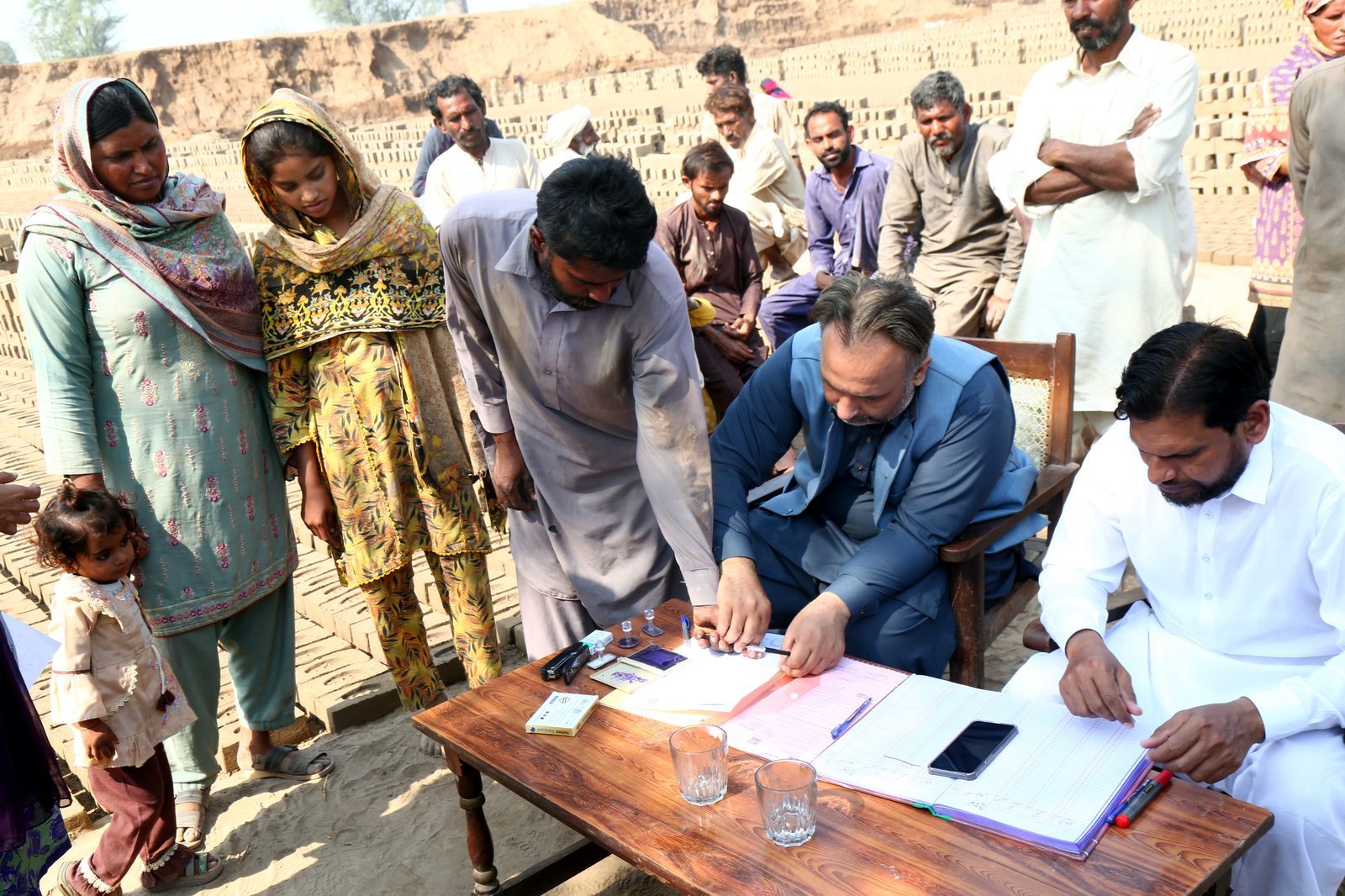
Before providing assistance, the team confirms that the debt exists and verifies the exact amount owed by reviewing the kiln owner's debt registers and debt agreements, and makes sure the situation represents a genuine and pressing need. No debt payment is made until the information has been reviewed and verified, and no payments are ever made directly to anyone who is currently in debt.
TLUCF works closely with Pakistani legal teams, the courts, and the brick kiln owners to reach a group negotiated settlement. Rather than negotiating debts one family at a time, TLUCF pursues a collective agreement covering multiple families at once, offering owners a discounted early payoff in exchange for full and immediate settlement — through this approach, TLUCF has saved approximately 10% off the total debt owed. Because the sites often involve multiple independent owners, every owner has to agree to the same terms before the collective agreement is ratified by the court, making it a legally binding resolution rather than an informal arrangement.
When a debt is paid, a written agreement is prepared and witnessed by a notary public and a court-selected representative, recording the identities of the kiln owner and the family, the exact amount paid, both signatures, and official notary certification. The brick kiln owner and the family both sign it, the family receives a copy, another copy is kept in the ministry's records, and copies are submitted to the court. If an owner later claims the debt still exists, or tries to force the family back into bonded labor, this signed and notarized agreement stands as formal evidence that the debt was fully paid and the family was released.
Once freed, families begin receiving their full wages rather than having them withheld against debt, and they gain the freedom to seek new employment and pursue vocational education. They're permitted to remain in the self-built brick shacks for as long as they continue working at the site, but once they secure outside employment, they must find their own housing. This transition is a major step up financially — outside jobs typically pay 4 to 5 times more than kiln work, which allows families to afford proper rental housing with electricity and running water, usually a two-bedroom apartment.
Some families have moved from brick kiln work into better jobs, and about half now earn enough to rent apartments rather than live in self-built brick shacks. Long-term success isn't treated as automatic, though — Pastor Shahid and the rest of the team in Pakistan reinforce with each family that continued progress is their own obligation: to keep pursuing vocational education, increase employment, and build greater financial stability over time.
This risk is addressed in two ways. First, the notarized debt-settlement agreement documents that the family's debt was completely paid. Second, the family receives support toward a sustainable livelihood so they can earn an independent income and reduce the risk of taking on another harmful debt. Pastor Shahid also offers ongoing financial counseling, helping families resolve money troubles before they escalate to that point again.
The Shorkot Community Christian School is run by Mahnoor, who serves as Principal and co-founded the school alongside her father, Pastor Shahid. She holds a degree in Theology from Methodist College of Theology and serves on the board of other support organizations that assist the school. Alongside her work at the school, she also does remote work as an executive assistant and translator, preparing teaching material for Christian churches across Pakistan on behalf of several churches in the US.
Yes — the Shorkot Community Christian School is explicitly a Christian school, focused on educating and supporting the children of families serving under debt slavery or working to rebuild their lives after being freed. Beyond core education, the school is also working to expand vocational training through internships, and hopes to introduce micro-loans in the future — the Sewing Ministry School is one expression of this, helping women move into more dignified and substantially better-paying employment in the textiles industry. It's worth noting that while many Christian-run schools in Pakistan serve mixed-faith communities, this one is specifically focused on Christian families.
Students currently range from ages 6 to 12, but the school only teaches Pre-K through 5th grade. Age doesn't map to grade level the way it typically would in the US, since all of these children have only been in school for about one year — each student is tested on enrollment to determine which grade they qualify for, then progresses from there. Every year, the school adds a new grade level above its current highest grade, which means bringing on new teachers to take on those responsibilities. The curriculum itself is developed internally and purchased to meet government-required outcomes, rather than being something TLUCF designs directly. The Pakistani government provides no financial or other support to the school, but it does require alignment with minimum standards and participation in annual national proficiency exams. Despite being only one year in, the school has already performed above average on these exams.
TLUCF's role is best described as consulting and support rather than direct, hands-on operation — assisting with fundraising, hiring, facilities, curriculum, transportation, budgeting, security, and daily management, while Mahnoor and her team carry out the actual day-to-day direction. Every teacher holds a government-issued teaching certificate of proficiency, qualifying them to teach at either government schools or private schools like the Shorkot Community Christian School. Teacher pay is currently around $130 per month, a figure driven largely by limited funding rather than the going rate for qualified teachers — meaning additional donor support could directly translate into better compensation. Staffing beyond the teachers includes a Principal, a security guard, and a driver responsible for picking up children from the brick kiln site each day.
The school currently relies on an older van, making several trips each day to pick students up from the brick kiln site and return them home afterward. TLUCF serves children from six different brick-kiln communities, so the van follows a planned route each morning to collect children from every location and bring them safely to school, then reverses that route each afternoon to drop every child back home. A future special project goal is to purchase a newer, more reliable mini-bus to replace it. For safety, the security guard is present both during transportation and throughout the school day.
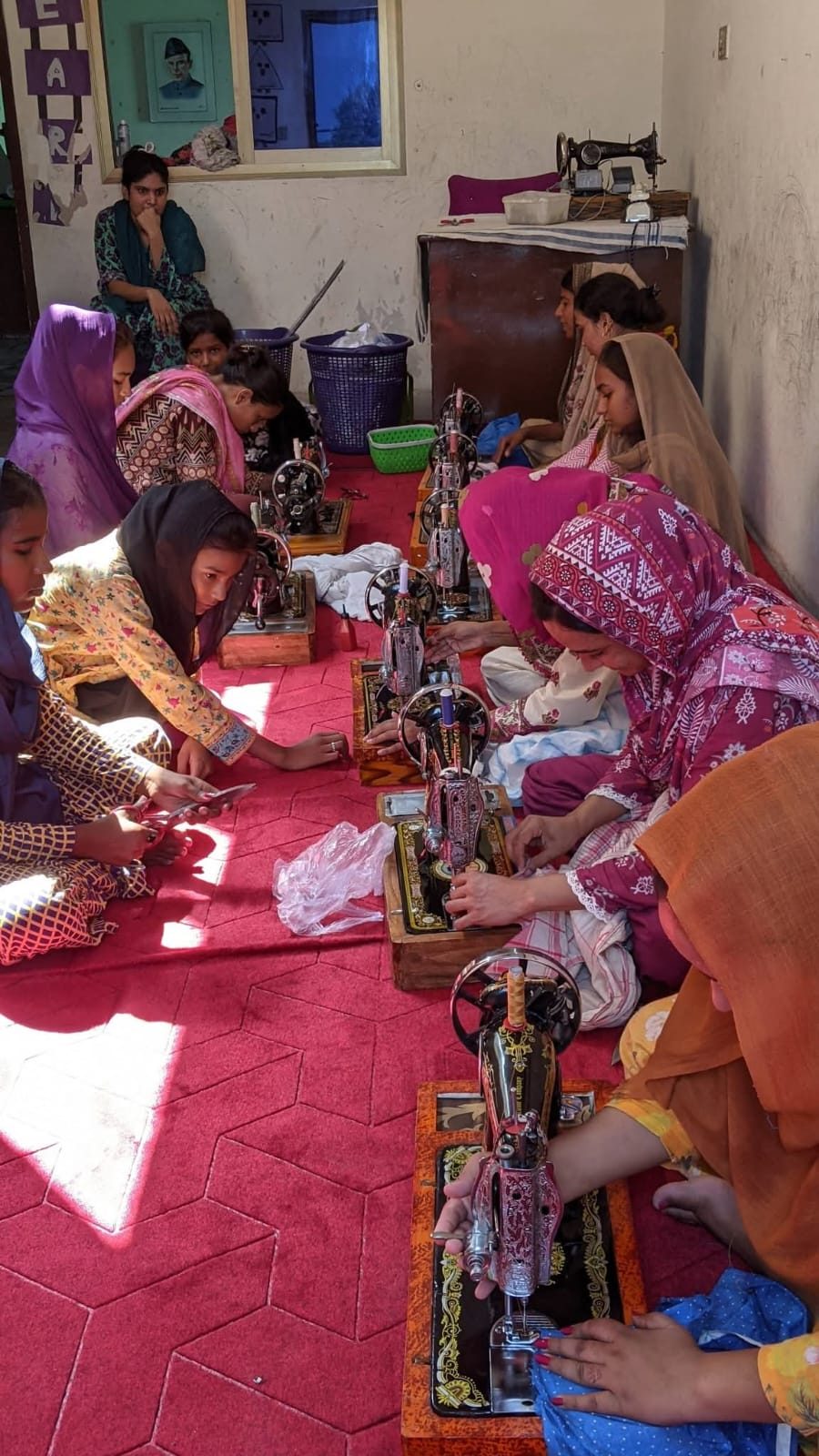
16 women are currently enrolled in the Sewing Ministry School. Selection isn't competitive — all wives from the freed families were invited to attend the course. The program uses a purchased commercial curriculum focused specifically on the skills needed to work in a commercial tailoring operation, and the school itself was built to accommodate 16 students at a time, with two sessions able to run during each set of classes.
The products the women make are tied directly to the progressively structured lesson plans — each project teaches a specific skill like planning, designing, fitting, altering, and tailoring. Rather than producing for sale, students practice on real garments for themselves and their families, so the output so far has been clothing for their own households rather than income-generating work. It's also worth noting that in Pakistan, clothing is typically made to order rather than bought off the rack at stores as is common in the US — meaning the tailoring skills being taught map directly onto a real, everyday local trade rather than a manufacturing-style production model.
Each course runs approximately 16 weeks. Upon completion, every skill learned is documented and signed off by the teacher, creating a record the student can use to apply for work at a private tailoring shop or a larger production operation. This documentation is what turns the training into real job placement — giving graduates a credible way to demonstrate their skills to employers rather than just having completed a class.
TLUCF purchased all eight sewing machines along with the materials and curriculum used in the program. Each term, a new set of materials and tools — thread, needles, tape, shears, and a study guide — is purchased for every student, and these become the student's own to take with them into their new job once they complete the course.
No. Paying the debt is only one part of the process. The team also works with the family to establish a livelihood outside the brick kiln that can provide sustainable income, which reduces the risk of the family falling back into debt because they have no way to support themselves. This includes vocational training through community internships and classes like the Women's Sewing Ministry School.
The team speaks with each family about their skills, experience, interests, and circumstances. The livelihood is selected according to what the family can realistically manage successfully — the same type of employment isn't assumed to be suitable for every family.
Depending on a family's abilities and local opportunities, possible livelihoods include rickshaw or motorcycle transport services, grocery shops, fruit and vegetable stalls, tea or street-food businesses, small bakeries, motorcycle or bicycle repair, mobile phone repair, welding, metalwork, or carpentry, tailoring and sewing, barber shops or beauty salons, poultry, goat, cow, or dairy businesses, vegetable farming on rented land, and second-hand goods or scrap shops. The nearby city offers many employment opportunities for people ready to start working and build the skills to raise their standard of living.
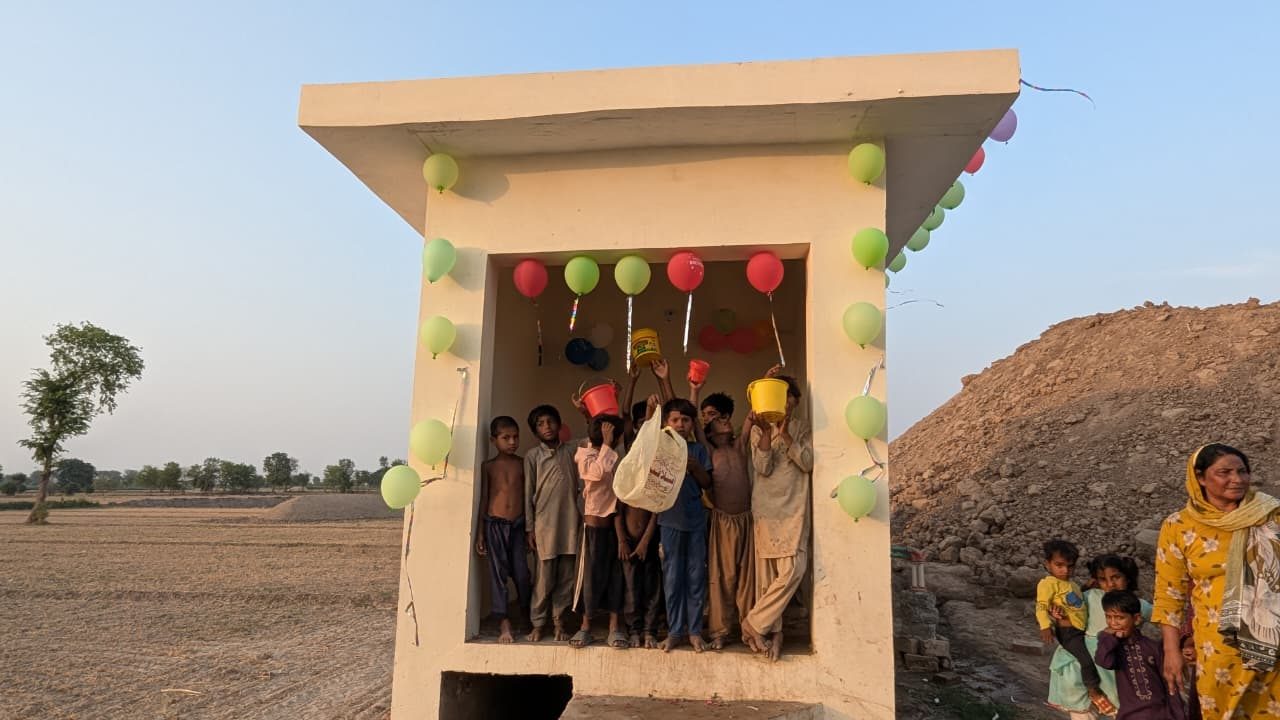
The water station is located at Brick Kiln 311, the largest and most central brick kiln site where TLUCF has freed families from debt labor, positioned close to the housing area for easy access. It serves the families currently living and working there, and it's designed to keep serving the community long-term — future workers who come to the site after these families have moved on will continue to benefit from it as well.
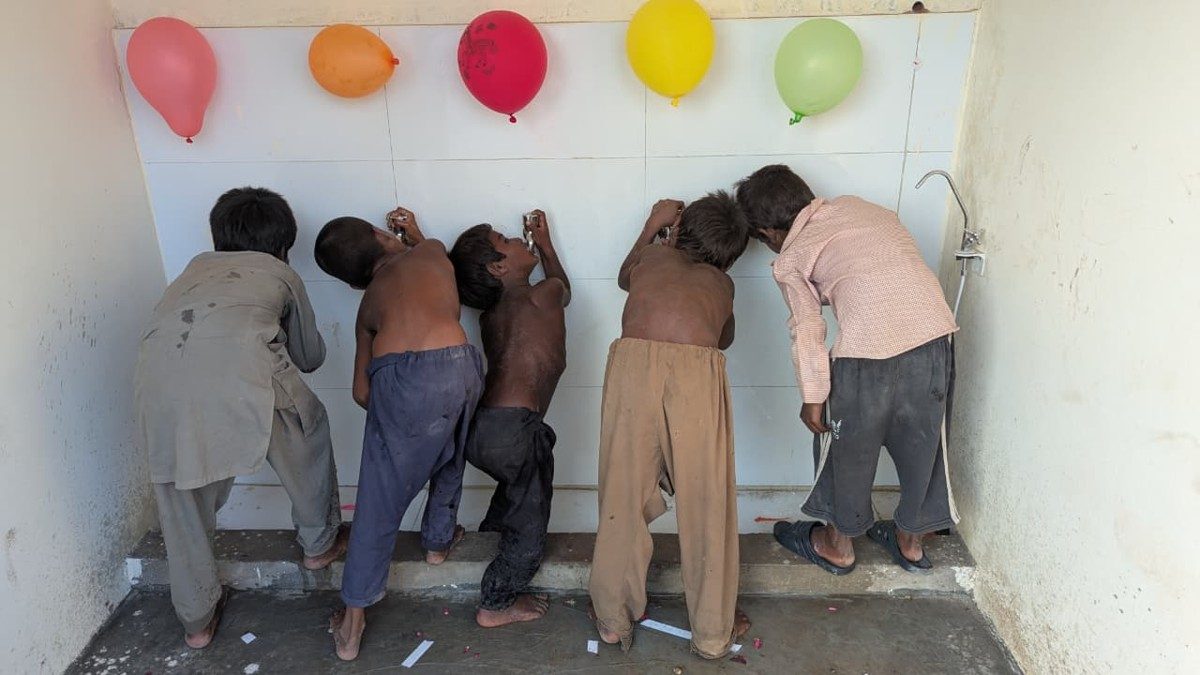
Before the station, families at the site had no reliable source of clean water, which put them at risk of intestinal disease that can be lethal, especially for children. TLUCF had a well drilled several hundred feet down and paired it with solar-powered pumps to bring clean water to the surface, distributed through 6 faucets. Families can now store clean water in their shacks to use throughout the day — for drinking, cooking, cleaning, and laundry — which has made a significant, everyday difference in their health and quality of life.
Because this station serves the community on an ongoing basis — not just the families who were originally freed, but future workers at the site as well — its upkeep is tied to TLUCF's continued presence and support there rather than being a one-time installation. Looking ahead, TLUCF intends to install hand well pumps at the smaller kiln sites, extending clean water access beyond the central location, and future plans also include building a sanitation facility with two sets of restrooms and showering facilities.
Yes — The Lifting Up Children Fund is incorporated in the State of Arizona and holds a Federal EIN as a registered 501(c)(3) organization. Donations may be tax-deductible, though we encourage donors to check with their own tax professional to confirm how this applies to their individual situation.
TLUCF pays no salaries domestically — the only salaries paid are to school employees in Pakistan (teachers, the Principal, security guard, and driver), all of whom are directly part of program delivery rather than back-office administration. Every other dollar goes toward direct expenses: legal costs, fundraising, and the ongoing operations of the school, sewing program, and water project. Because there's no domestic administrative payroll, the overwhelming majority of every donation goes directly toward the mission rather than overhead.
Yes — donors may direct their gift toward a specific project, such as the school, the sewing program, the water station, or family sponsorship. Designated funds are held aside until enough has been raised to fully fund that project's requirements. If a project ends up over-funded relative to its needs, the surplus may be redirected to general use so it can support wherever it's needed most across TLUCF's work.
The work is designed to create long-term change. Immediate relief matters, but debt repayment alone may not protect a family's future — the model combines release from verified debt with mentoring, responsible stewardship, and continued follow-up.
Accountability is built into each stage: personal interviews and family assessments, verification of debts and exact settlement amounts, written and notarized debt-settlement agreements, regular follow-up visits, and ongoing mentoring and encouragement — reflecting a commitment to compassion, responsible stewardship, transparency, and accountability.
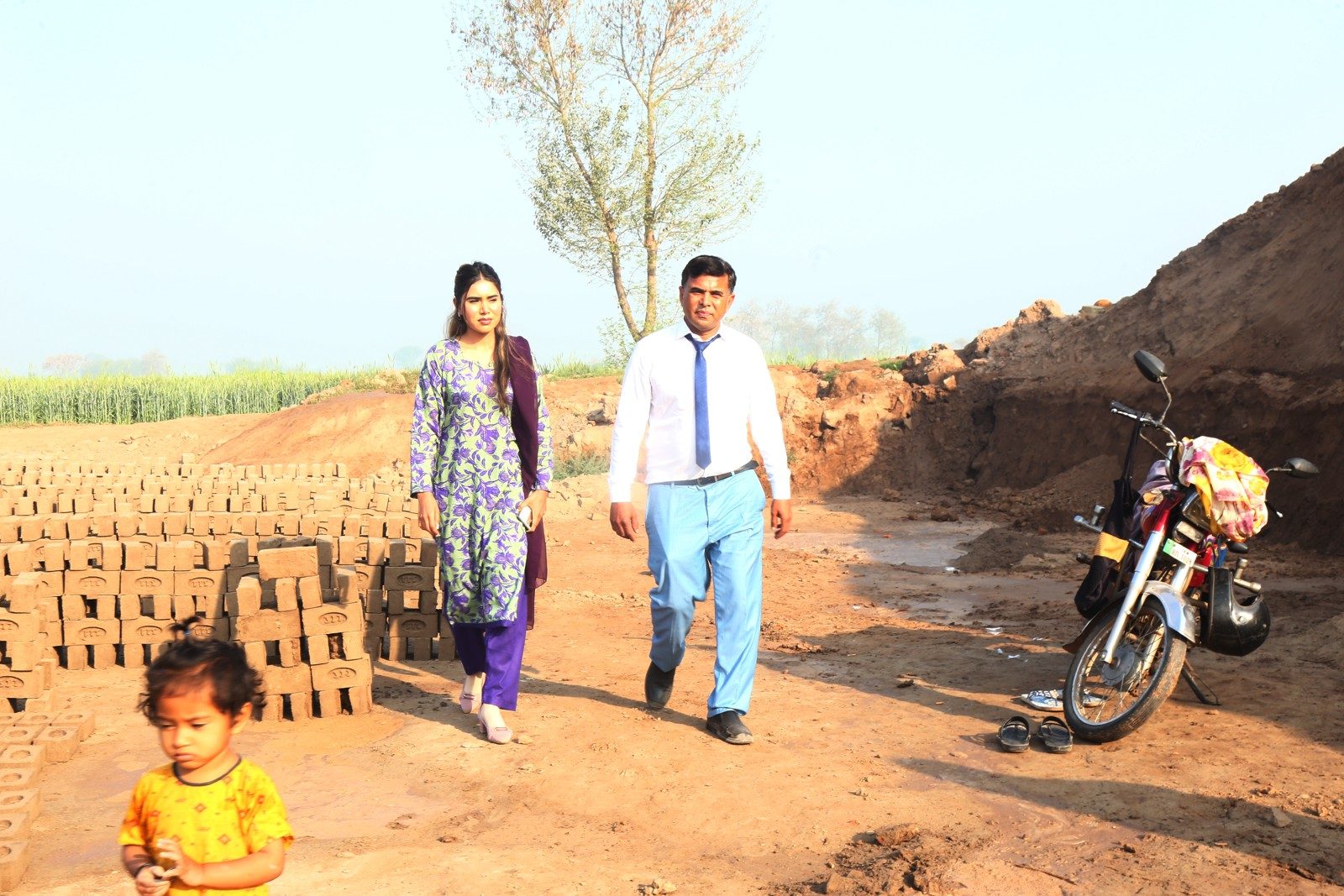
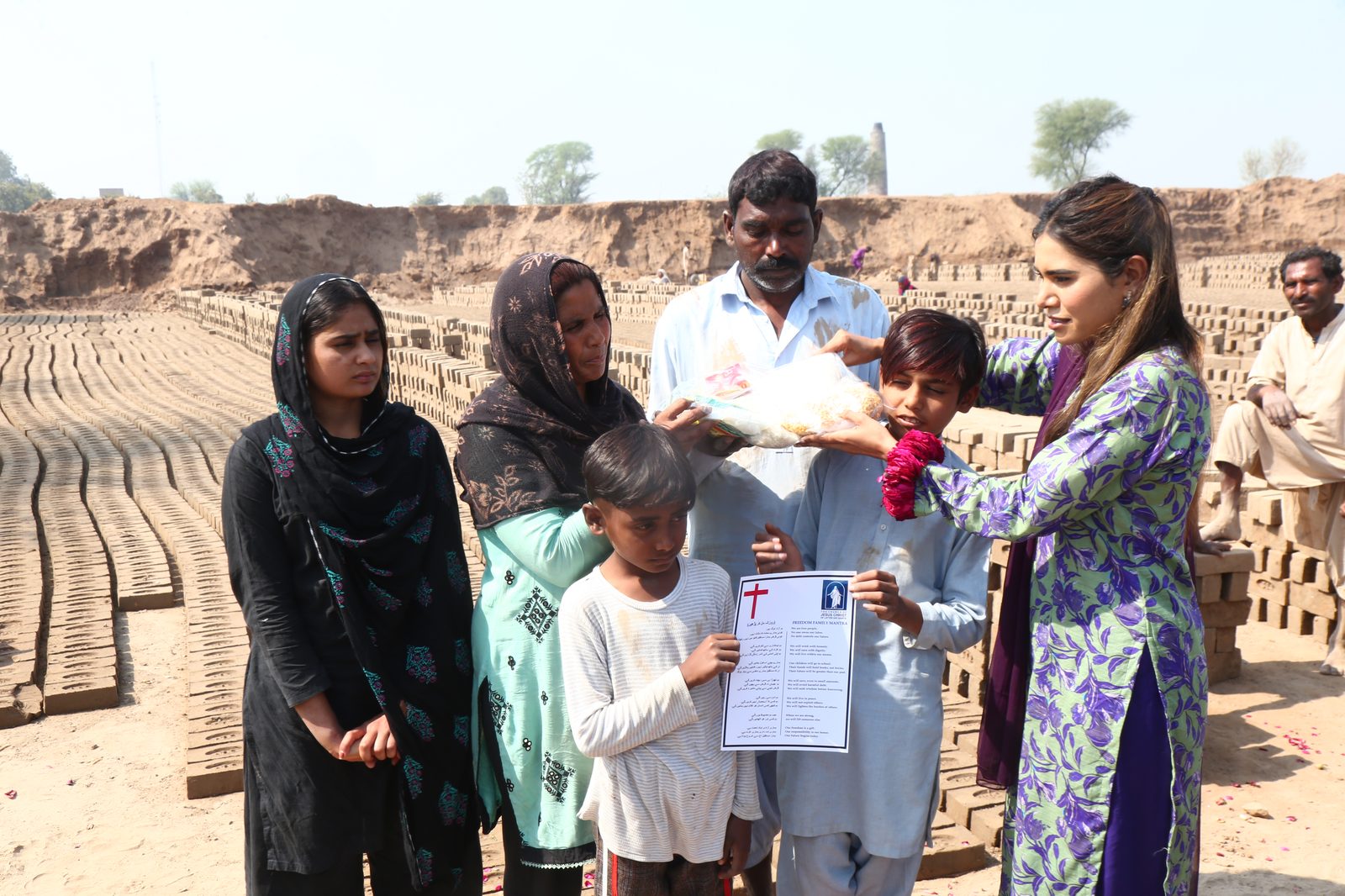
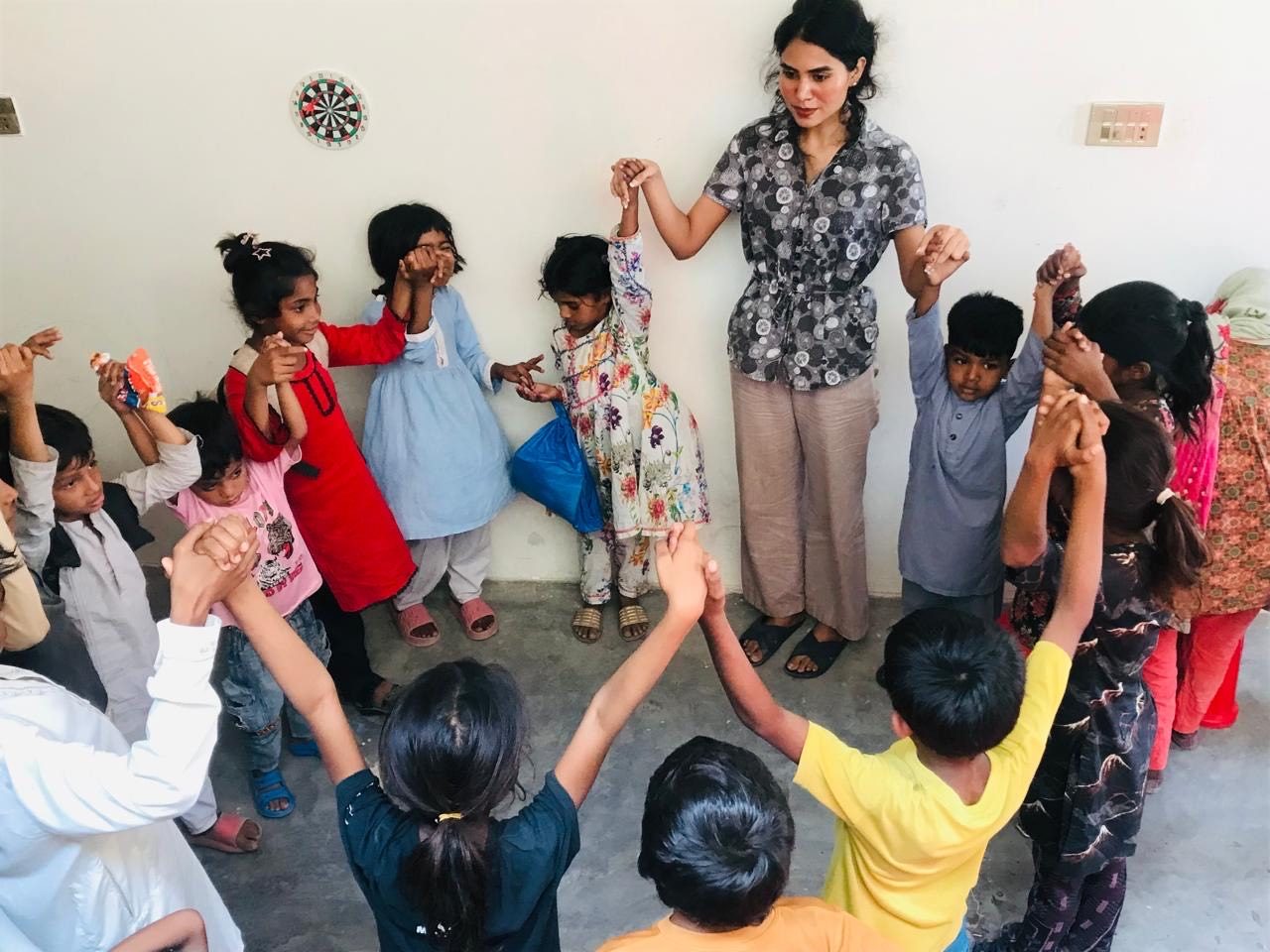
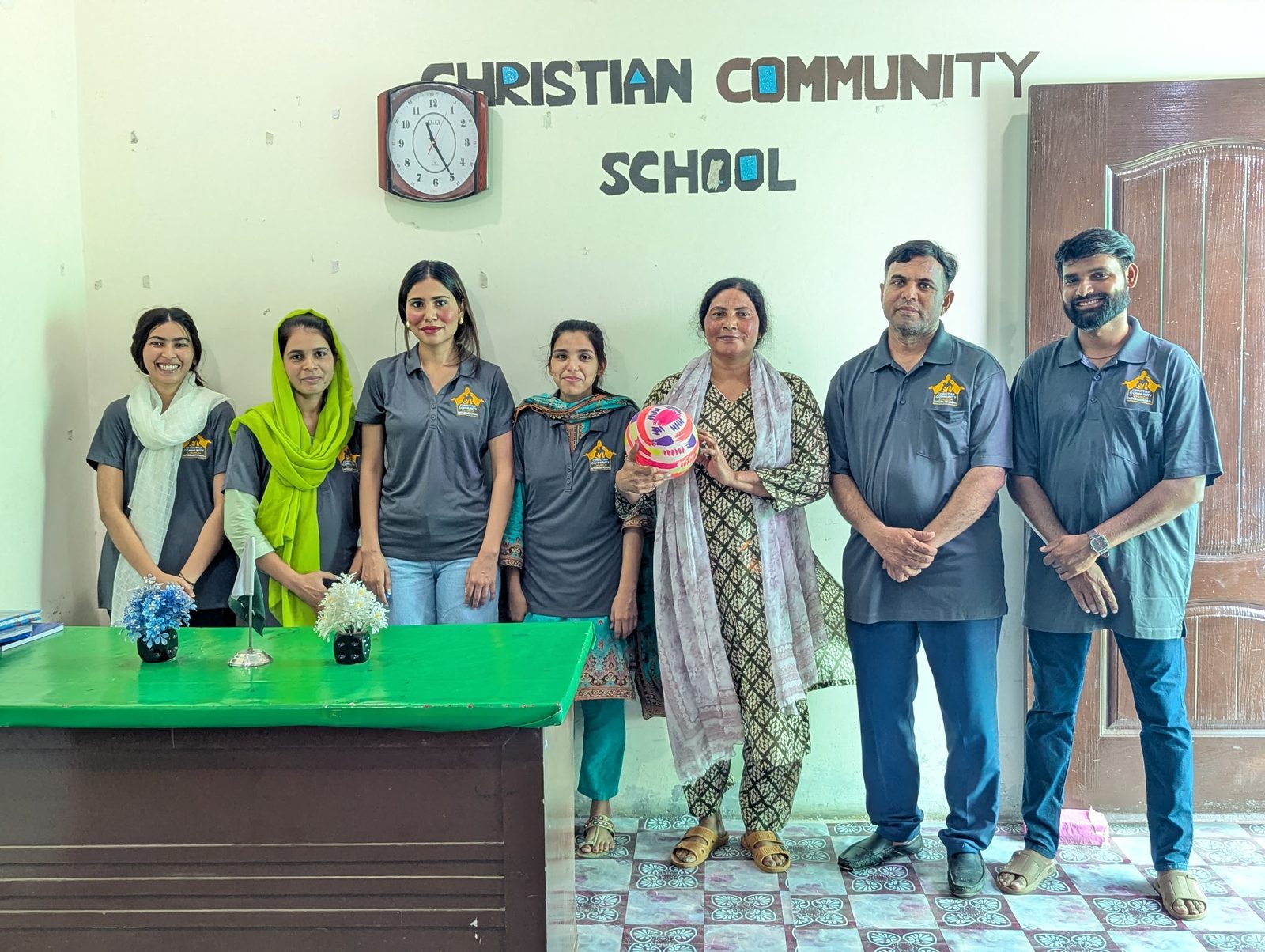
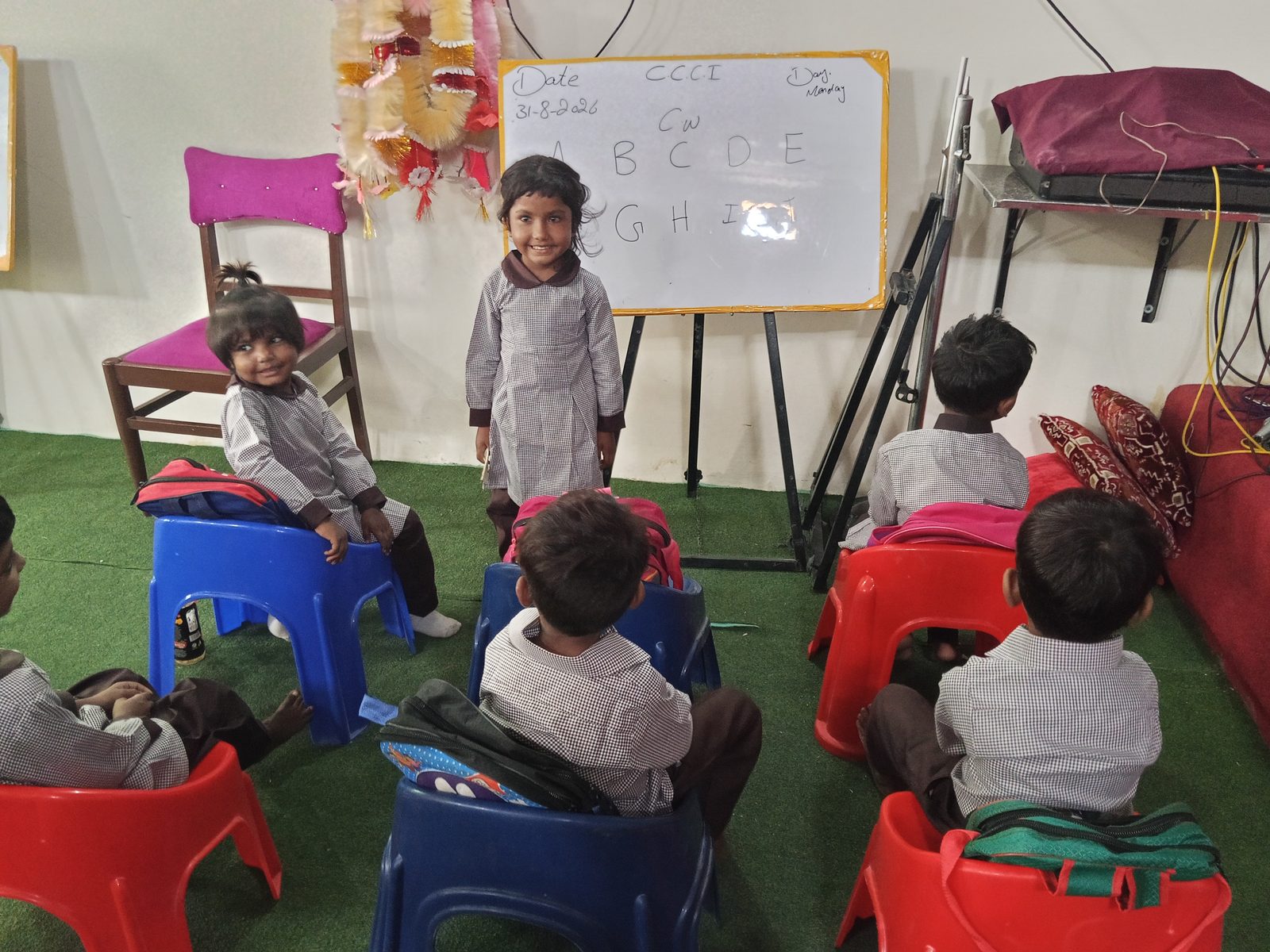
A two-room school is already serving over 50 children.